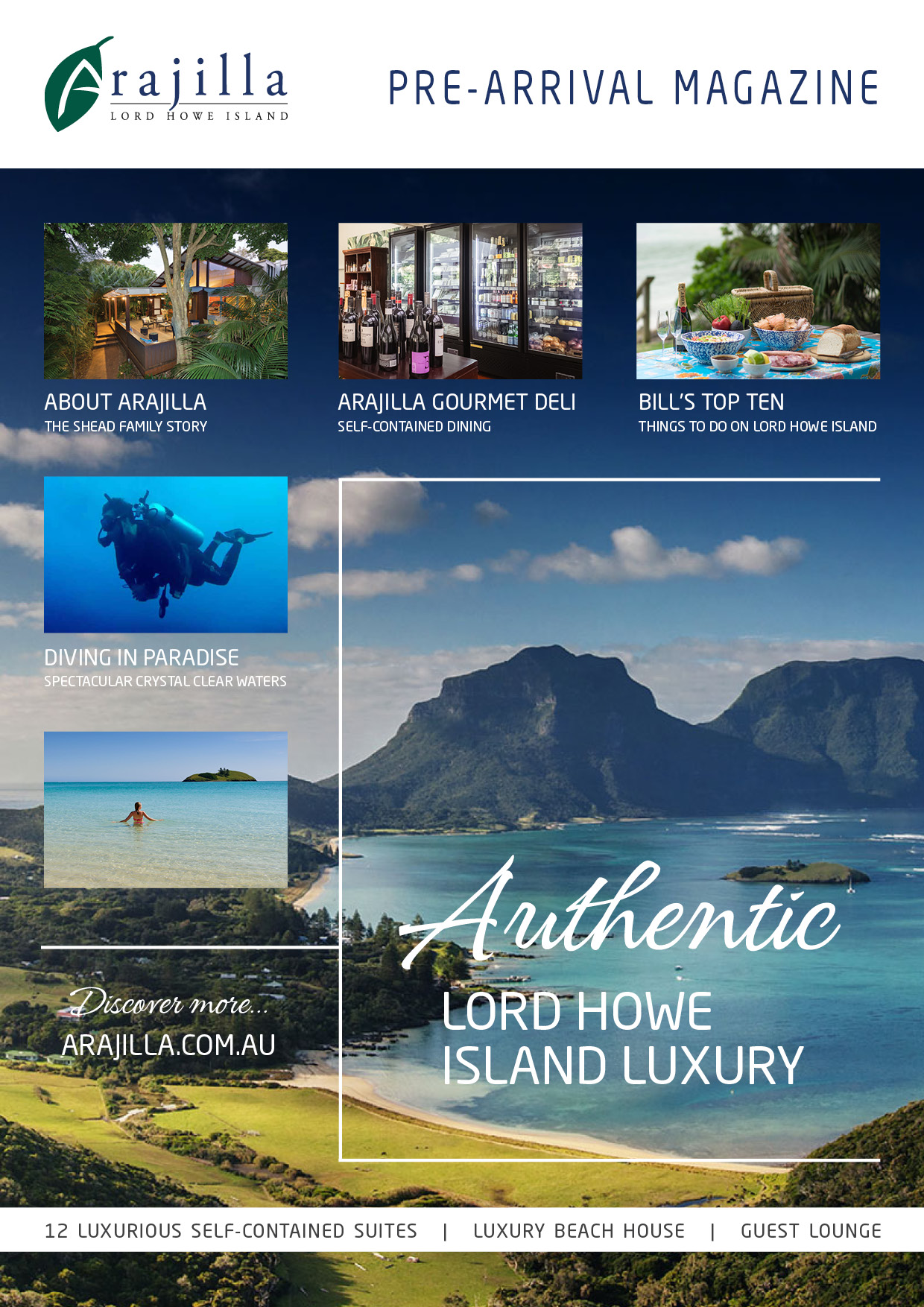
Lord Howe Island is a paradise that has been World Heritage listed since 1982.
This tiny island 11 kilometers long and 2.8 at its widest point is under two hours by plane from Sydney or Brisbane.
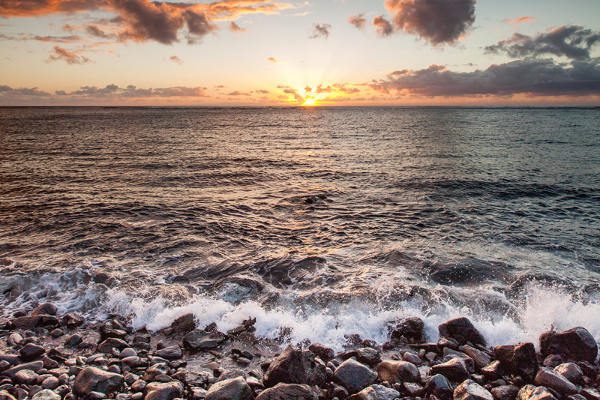
Its climate can be best described as one of perpetual spring with an exceptional range of natural phenomena, rich terrestrial and marine diversity, and an ecosystem developed from submarine volcanic activity.
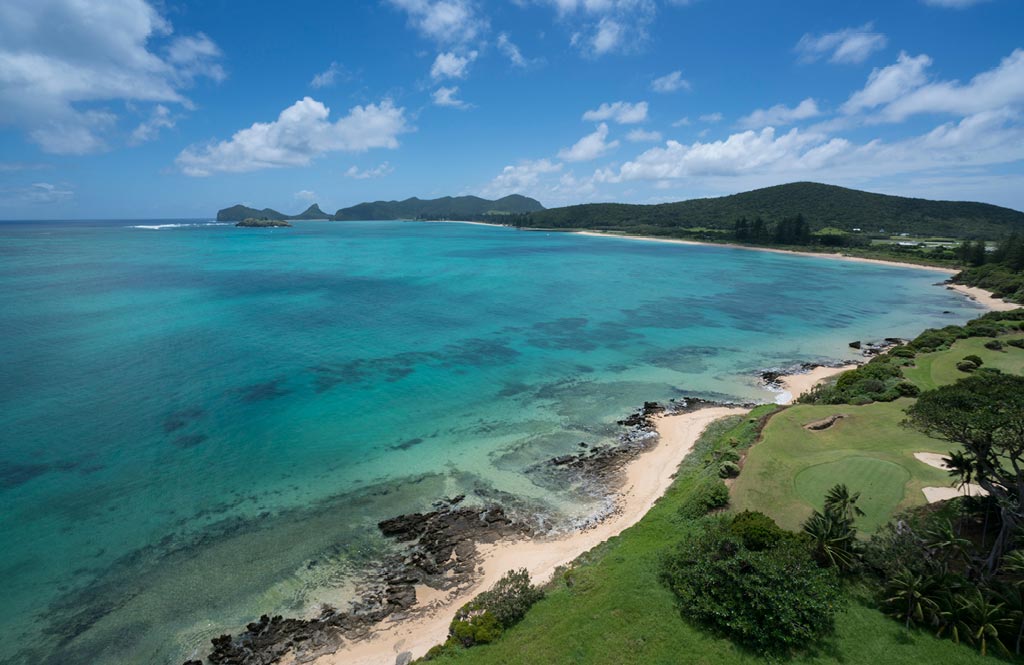
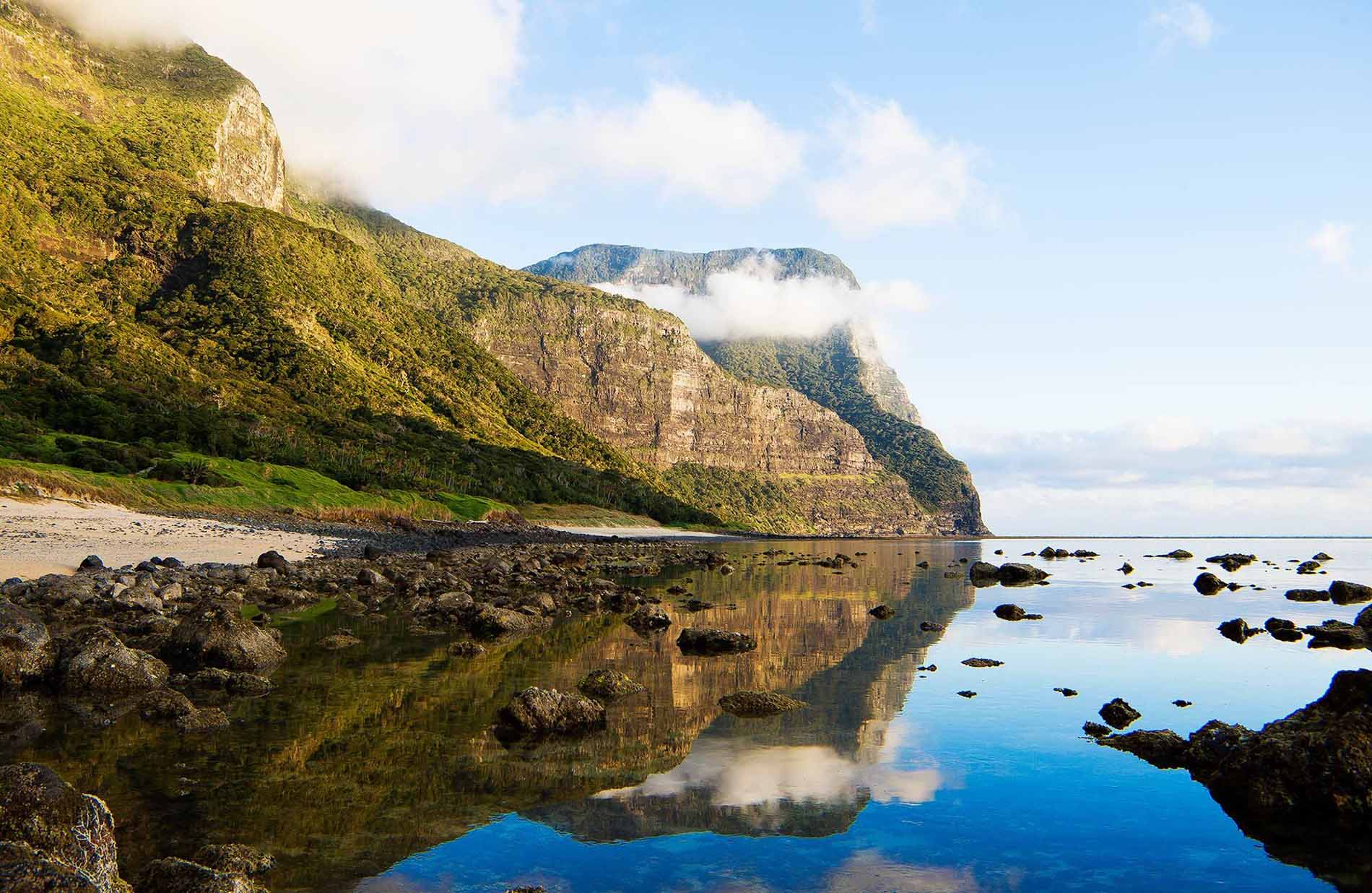
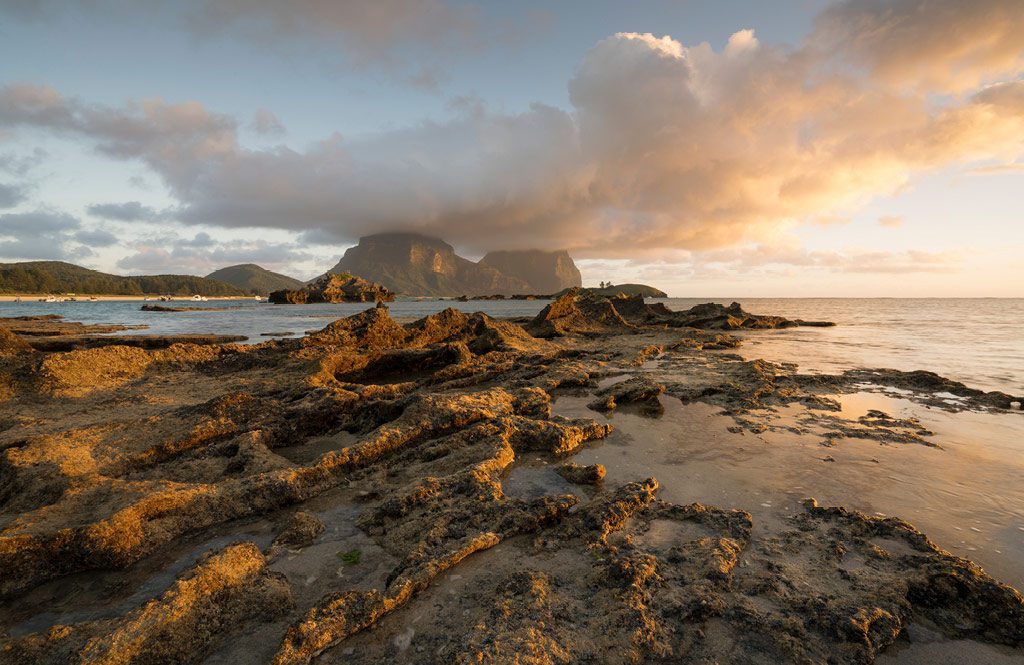
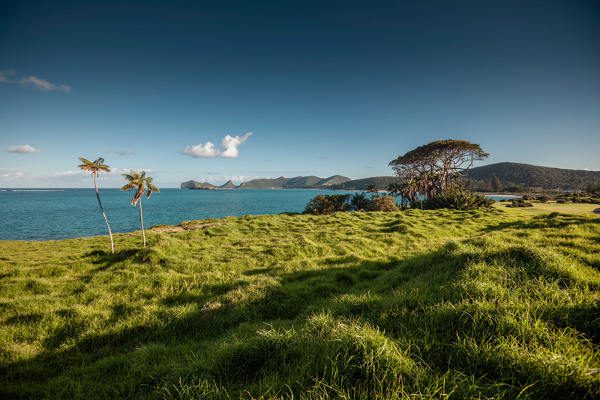
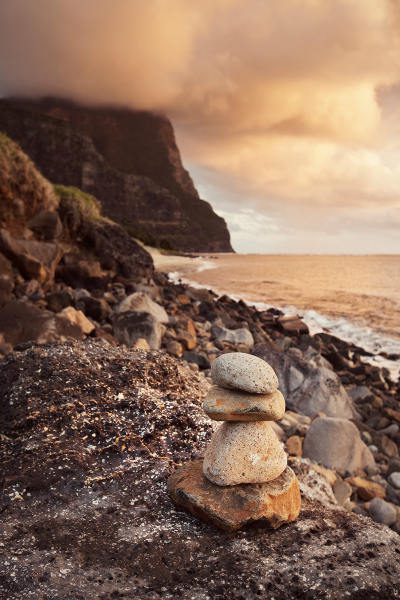
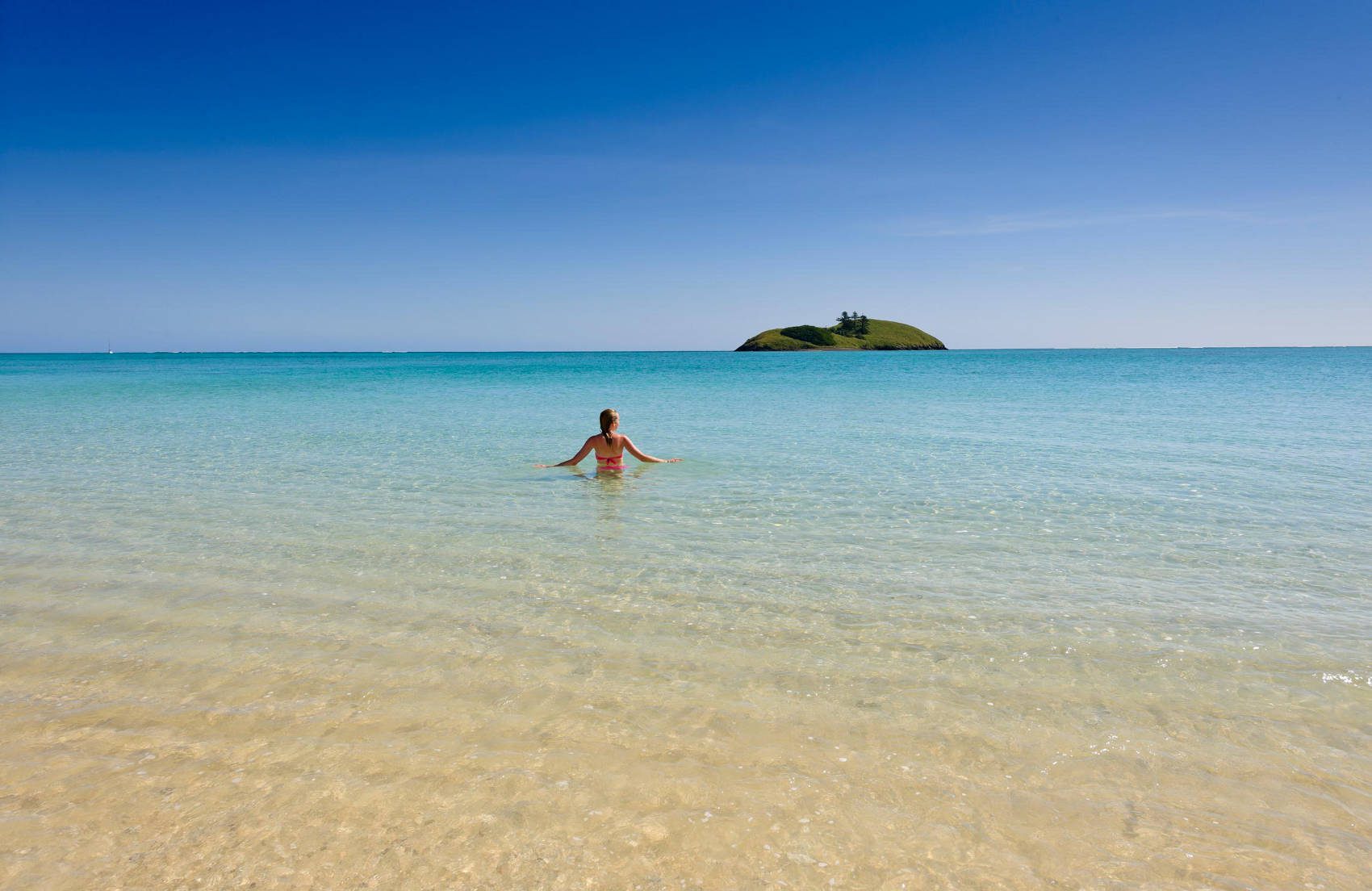
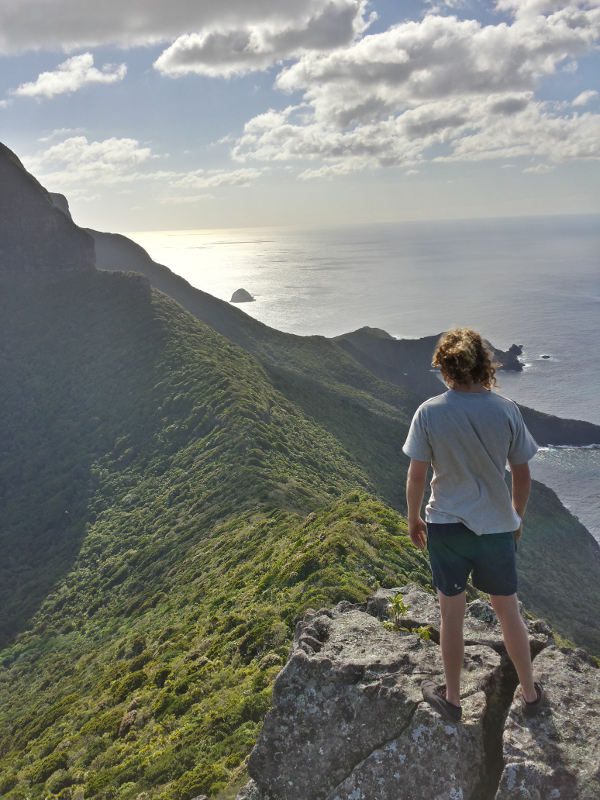
The island has been described as the most beautiful in the Pacific, with a landscape of plunging cliffs and imposing mountains, sub tropical rainforests, beaches, a lagoon, and the world’s southernmost coral reef containing over five hundred species of fish.
With a permanent population of 350 and a speed limit of 25kph the Island is too remote to receive mobile phone coverage.
At the tiny local village there is a post office, a couple of shops and a cafe where you may enjoy great coffee, whilst further afield there is a nine hole golf course and a bowling green.